What to see near Bologna?
Hotel Del Borgo offers the opportunity to stay and visit nearby cities: Florence, Ferrara, Ravenna, Venice, Modena, Reggio Emilia, Parma, Rimini, Mantua… stay with us and visit them on short trips by both car and train!
Florence
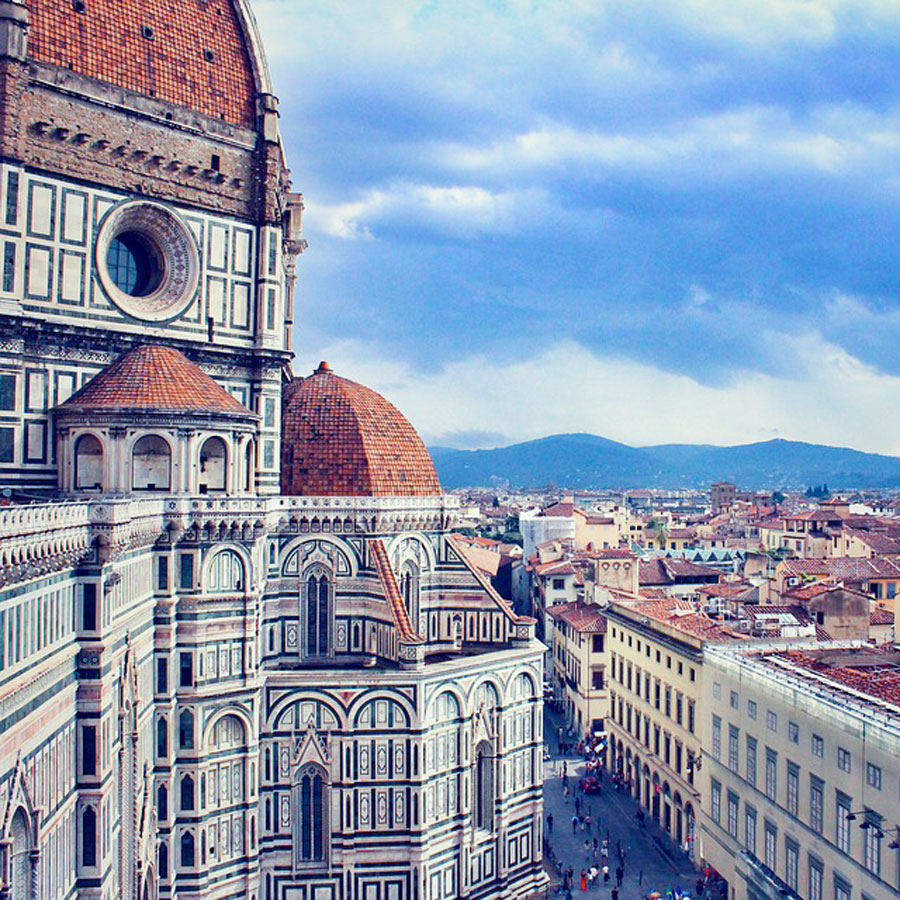
Florence, with its museums, palaces, and churches, is home to some of the world’s most important artistic treasures. Among the city’s best-known places of art and worship are undoubtedly the Cathedral of Santa Maria del Fiore, the Baptistery, the Uffizi Gallery, the Bargello and the Galleria dell’Accademia. The churches of Santa Maria Novella and Santa Croce are true art galleries, just as the Laurentian Library is an exceptional expression of Michelangelo’s architectural genius.
When you feel tired of seeing museums and art galleries, go outdoors and you’ll discover that in Florence it’s beautiful just to stroll the beautiful streets of the historic center. Walk to the Arno, linger on the romantic Ponte Vecchio and continue to the Oltrarno, the newest part of Florence.
Ferrara
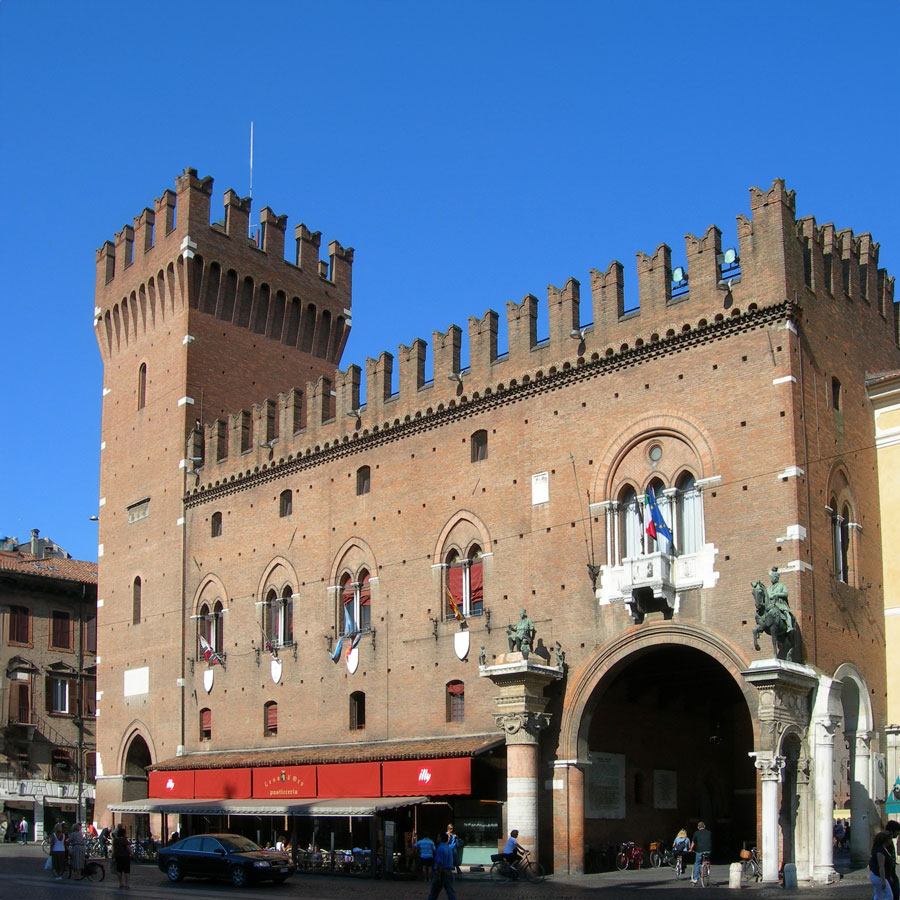
An extraordinary city, where the charm and atmosphere of its glorious past have been preserved over time in harmony with the cultural vibrancy of the present. Ferrara is a quiet city, on a human scale, where you can stroll peacefully, on foot or by bicycle, day and night, without any fear, reliving magical atmospheres of the past at every step. Ferrara is one of Italy’s largest cities of art and culture, thanks primarily to its Palazzo dei Diamanti, home to prestigious exhibitions, and the high-quality seasons of its Teatro Comunale. Ferrara is also home to highly regarded historical and commemorative events such as the Palio di San Giorgio, the oldest in Italy, musical events such as the Ferrara Buskers Festival, and a major hot air balloon event, the Ferrara Balloons Festival. Ferrara, a Renaissance city and its Po Delta on the UNESCO World Heritage List. The UNESCO recognition of the city and its territory has authoritatively attested to the value of an urban and naturalistic landscape unique in the world.
Ravenna
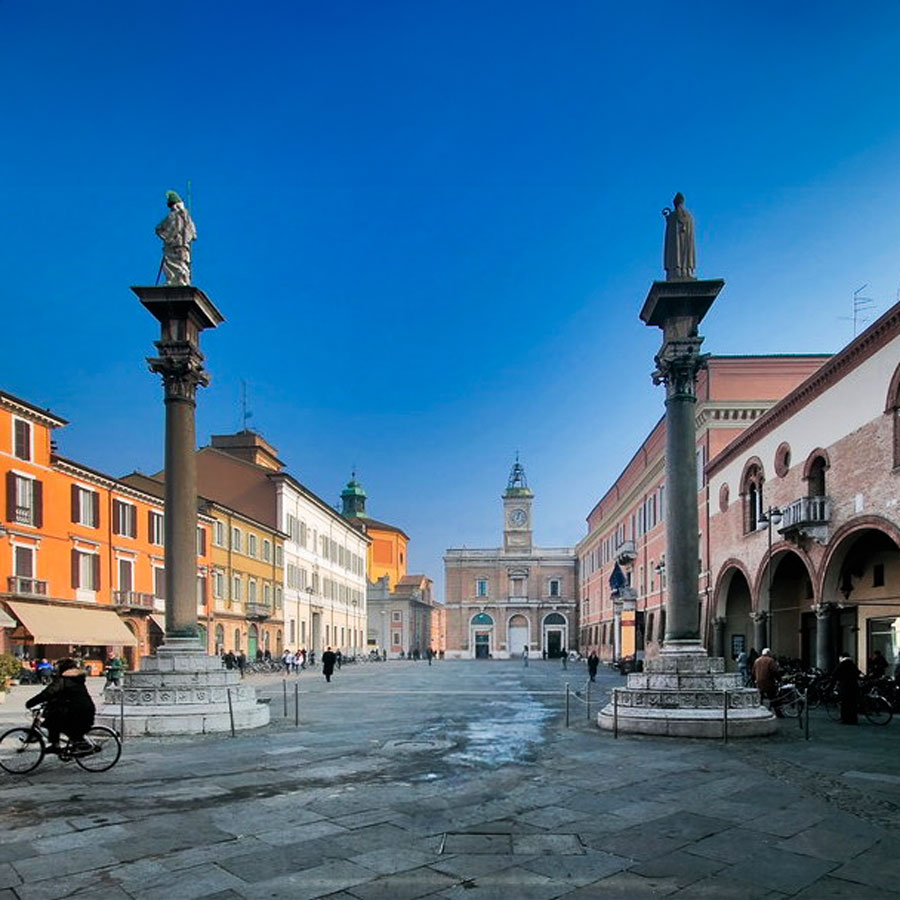
Beautiful, cultured and elegant, city of saints, bankers and kings. This is Ravenna, in Emilia Romagna, the second largest city in Italy by area. This charming city, just a few kilometers from the sea, boasts eight monuments declared a UNESCO World Heritage Site, among which the Basilica of San Vitale stands out, a masterpiece of 6th-century Byzantine art. Ravenna is characterized by a rich social life, and the many tourists who go there to visit it often use it as a starting point to explore the coast on which it overlooks and to visit the hinterland where they can enjoy traditional Romagna cuisine. From Ravenna, you can easily reach the Po Delta Regional Park of Emilia Romagna and the Comacchio Valleys, both natural oases. Conversely, it is often the arrival point for those staying in Cervia and the surrounding area who go to Ravenna even for just a day, to savor its thousand-year history.
Venice
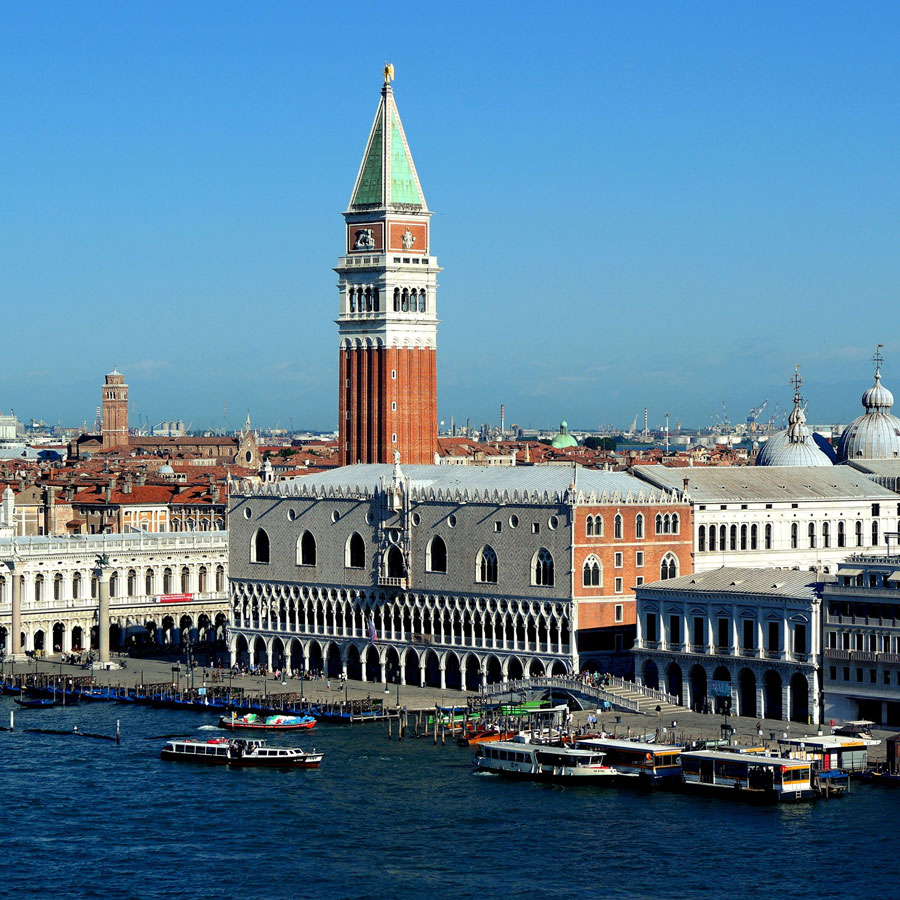
Venice is an island city, whose roads are only walkable. The only point you can reach by car is Piazzale Roma, after crossing the bridge that connects the mainland with the Venetian archipelago, the Ponte della Libertà. The historic center is a closely connected integrated collection of 117 small islands connected to each other by over 410 bridges. Once you cross a bridge, you leave one island to enter another. The historic center is connected to the mainland of Mestre by the Liberty Bridge. Other important islands near the historic center are Giudecca, separated from the historic center by the Giudecca Canal, which is also used by cruise ships; San Michele, the island where the Venice cemetery is located; and Murano Glass Island.
Modena
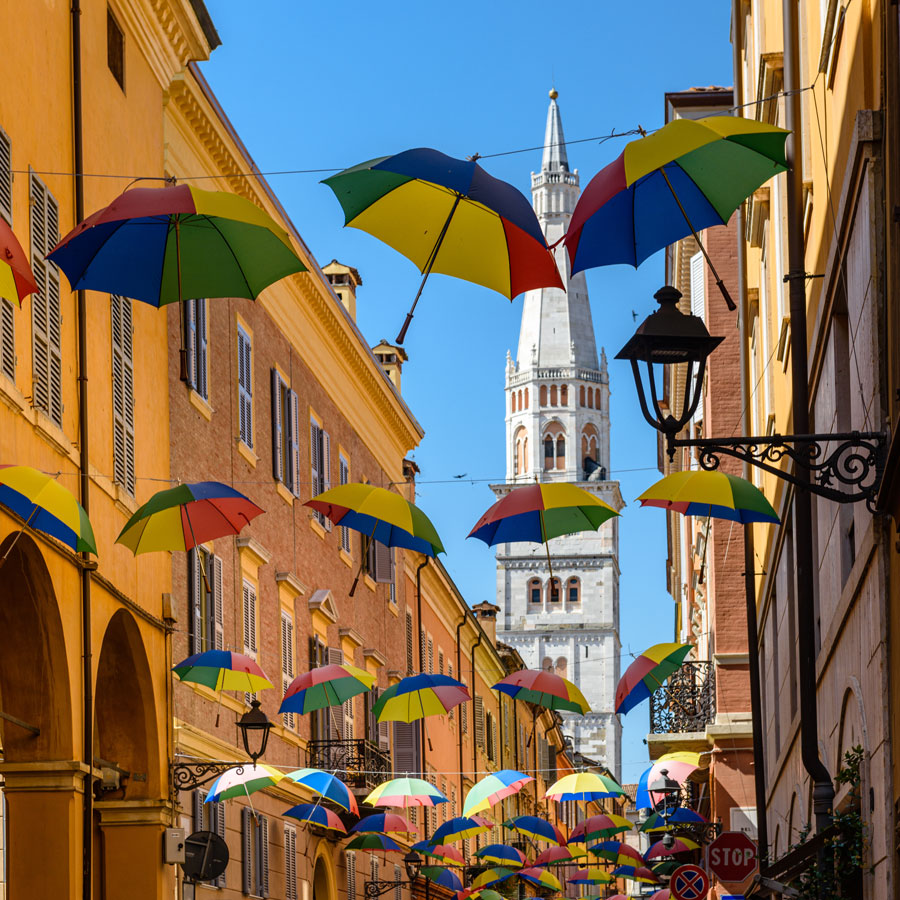
Modena knows how to be admired for its architectural treasures, a UNESCO World Heritage Site, it knows how to welcome thanks to its cuisine and cultural life, it knows how to fascinate with that mixture of innovation and tradition that characterizes it. Visitors can be pampered at the table by the taste of traditional balsamic vinegar accompanied by typical dishes, stroll through the bustling streets of the center or in Piazza del Duomo, or be fascinated by modern products of Modena’s ingenuity such as Ferrari, Maserati, Pagani, and Stanguellini automobiles. Pleasant in every season, Modena offers tourists extraordinary beauties, all concentrated in its graceful historic center, which tell the story of the glories of a city that was long the capital of a duchy, that of the Lords of Este. Piazza Grande is the heart of Modena’s life and the place where the most significant and beloved monuments are gathered. You can’t say you’ve met Modena without enjoying its famous signature product, traditional Modena balsamic vinegar, an exquisite condiment made from cooked grape monster, aged for a long time in wooden barrels. An unmissable opportunity to discover some of the secrets of its production is to visit one of the many farms that open their vinegars by appointment.
Reggio Emilia
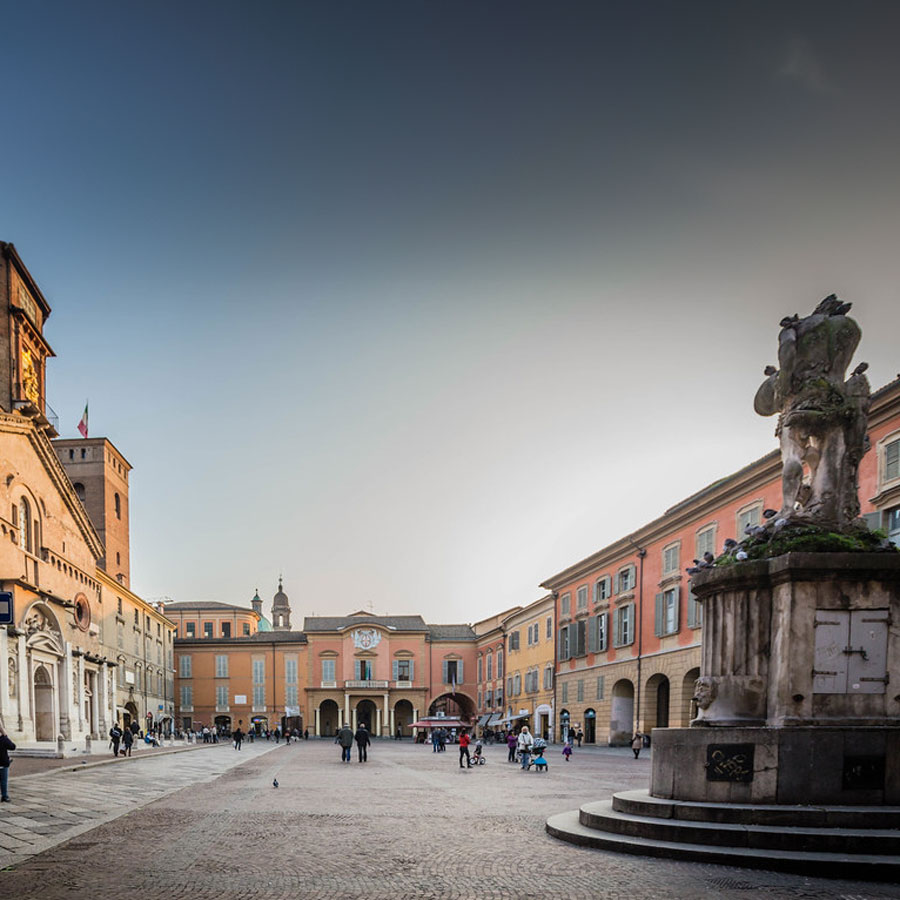
Reggio Emilia is known as the city of the Tricolour because the flag that later became the national flag was adopted here. Known today for its gastronomy, quality of life and the most beautiful kindergartens in the world, Reggio is also the city of art. Its symbols are the seventeenth-century Basilica della Ghiara and the very famous Municipal Theatre. Don’t leave without sampling the excellent delicacies of Reggio Emilia’s table, which you can also donate to friends: Reggio cappelletti, Parmiggiano Reggiano, and balsamic vinegar.
Parma
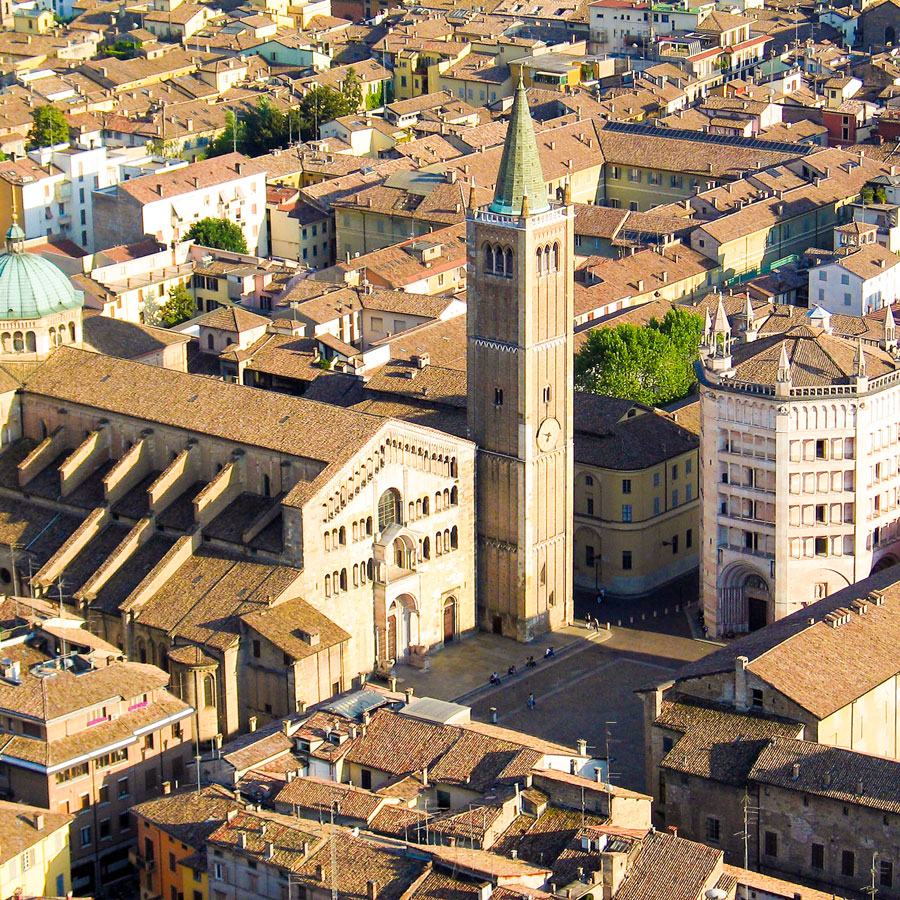
Its center, full of artistic masterpieces, spacious green areas, small and large treasures from different eras, welcomes visitors and citizens in a refined atmosphere like a small capital. The presence of music in the history of the city is varied and richly known. The historic center of Parma is marked by three large poles: Piazza Garibaldi, Piazza Duomo and Piazza della Pilotta. The main protagonist of Parma’s gastronomy is undoubtedly the pork from which Parma Ham is made, accompanied by Parmigiano Reggiano. But also first courses, such as cappelletti or anolini in broth, fresh pasta filled with stracotto cooked in meat broth and served especially during the Christmas holidays. Parma’s nightlife begins with the ritual of an aperitif, which involves meeting before dinner time, but which often lasts until late at night. The pedestrian area of Strada Farini, which starts from Piazza Garibaldi, offers a row of rooms, as does Via d’Azeglio.
Rimini
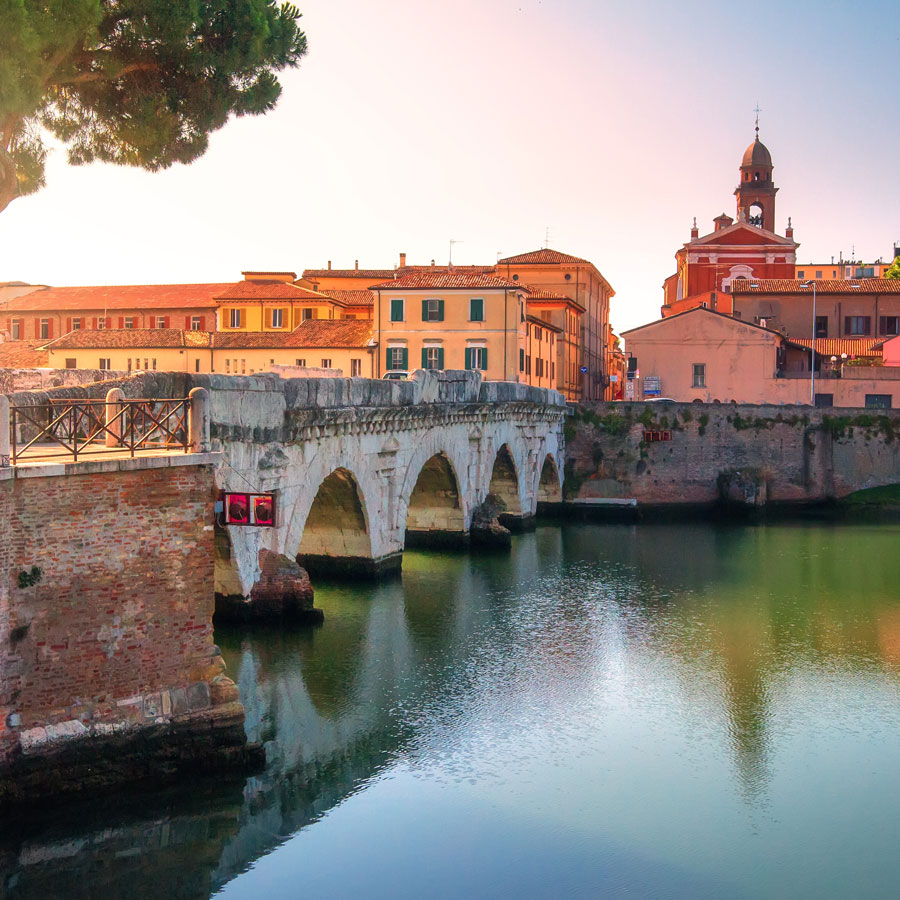
For over 160 years, Rimini has been in the memories and dreams of generations of holidaymakers. The secret of its success is the friendliness, hospitality of the places and its inhabitants and an area famous for its 15 km of beach, 230 colorful beach resorts, over 1000 hotels and amusement parks, but also for its 2000 years of history and a small treasure chest of art. Here the sea is a way of life, it is the myth of summer fun that is renewed every day, it is the magic of the mists in winter. Its art treasures contemplate unique masterpieces ranging from the Roman to the Renaissance periods. A place to know by following the imposing and evocative traces left by twenty centuries of history such as the Arch of Augustus, the Tiberius Bridge, Castel Sismondo, the Malatesta Temple, Piazza Tre Martiri, Piazza Cavour and the Domus del Surgeon. A concentration of beauty that the city has been recovering and enhancing for several years and which will be completed in 2020 with the inauguration of the Fellini Museum. The newest trends have always been born in this laboratory city: street bars, happy hours, aperitifs on the beach, dinners by the sea, sports of the future or Nordic walking on the sand. Fun follows all tastes and all ages. Gourmets are advised to taste a real Rimini piadina. Here the piadina is in fact thinner and everyone fills it as they wish. Rimini never goes to sleep, because people live here day and night. But the fun is cheerful and never transgressive.
Mantua
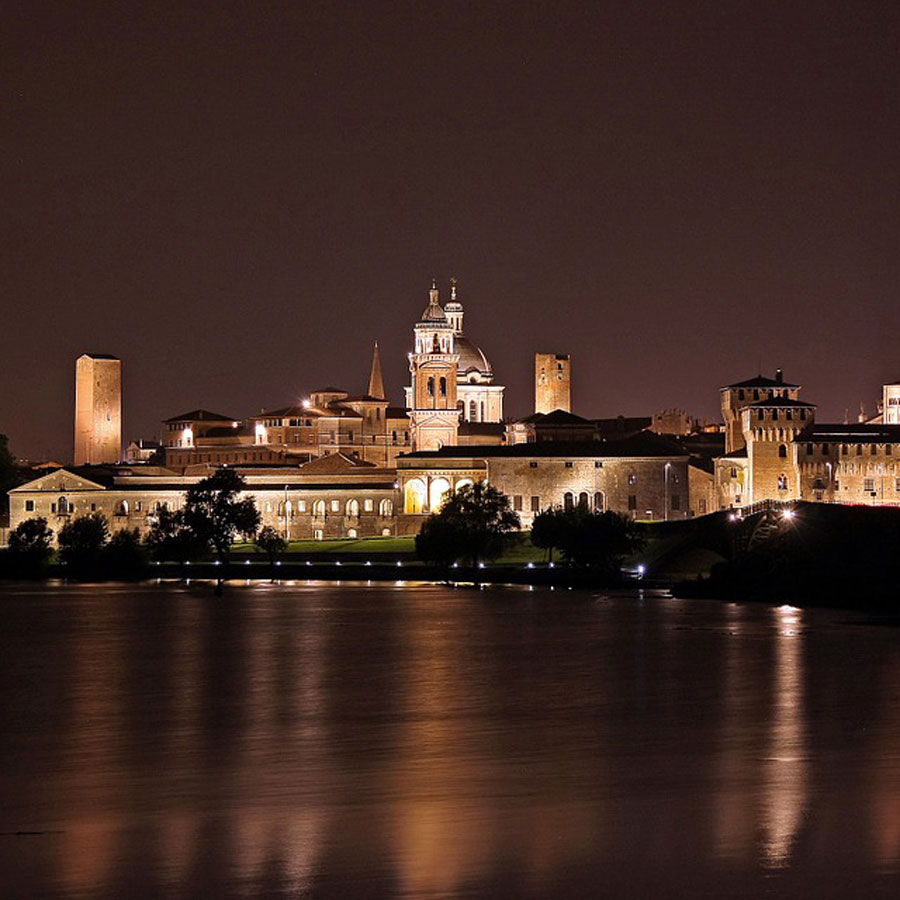
It is one of the most beautiful cities in Lombardy, rich in art and culture, and is Mantua. Located in the Lower Po Valley, Mantua lies on the banks of the Mincio River, where its waters form a deep bend, which embraces the cities and creates Lake Superiore, Lake Mezzo and Lake Inferiore. Rich in priceless art treasures, Mantua conquers with its aristocratic charm. One of the best ways to visit is by bicycle, observing every street where traces of those powerful Gonzagas who loved it so much are kept, and who gave it splendidly decorated palaces. In addition to the city, the surrounding areas are also equipped with long and well-maintained cycle paths, allowing you to explore the entire urban and extra-urban fabric practically without limits. Among the first things to see are the Ducal Palace, the Palace of Reason and the Palace of the Podestà. Next to the two buildings, don’t miss the 15th-century and characteristic Clock Tower. In the eastern area stands the grandiose Palazzo Te. Among the religious places, the Cathedral is worth visiting.